
Basil Herb - Uses & Care

Updated: Feb 3, 2025
Botanical Name: Ocimum basilicum
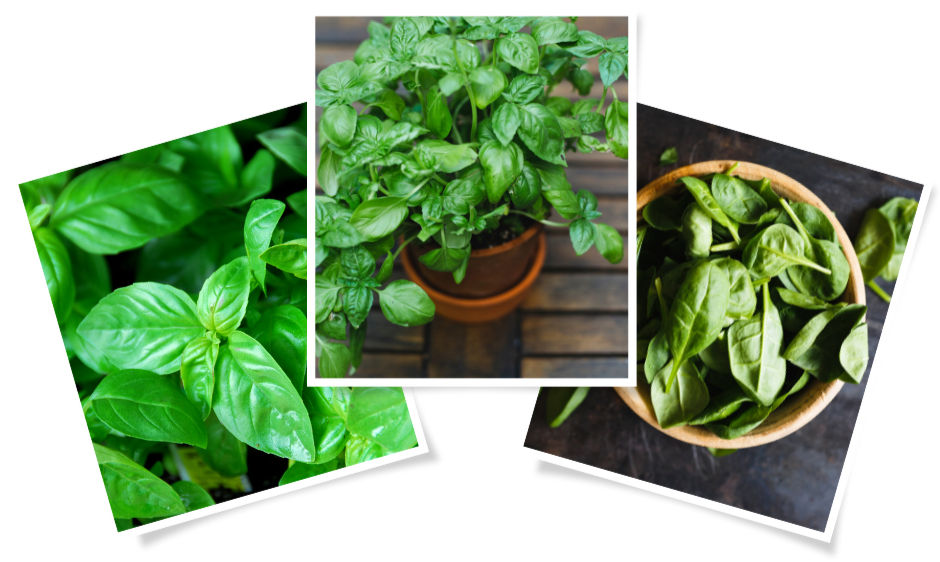
 Humidity Dry |  Lighting Part Sun |  Temperature 18-27°C |
|---|---|---|
 Difficulty Easy |  Hardiness Zone 8-11 |  Flowering Time Spring |
The culinary herb basil, a member of the Lamiaceae family, boasts over 60 varieties, each with unique flavors and aromas.
Native to tropical regions of Asia and Africa, basil has become a beloved kitchen staple worldwide.
This annual herb thrives in warm climates, flourishing both indoors and outdoors during the summer months.
Basil plants typically grow 30-60 cm tall, showcasing vibrant green, oval-shaped leaves.
While not visually striking, basil flowers attract pollinators with their subtle fragrance.
Beyond its culinary value, basil has traditional medicinal uses, aiding digestion and respiratory issues. In some cultures, basil leaves are used for wound healing and to relieve headaches.
In various spiritual and folk traditions, basil holds symbolic and magical associations. It is often linked to love, protection, prosperity, and purification.
Water
Basil enjoys consistent moisture, so water whenever the top inch of soil feels dry. Avoid overwatering as it can lead to root rot.
Sunlight
Provide your basil with at least 6-8 hours of direct sunlight daily. In hot climates, consider providing afternoon shade to prevent scorching.
Fertilizer
Feed your basil regularly with a balanced, water-soluble fertilizer during the growing season to encourage healthy growth and abundant leaf production. Look for an NPK ratio around 10-10-10 or a slightly higher nitrogen ratio like 15-5-5 to encourage leafy growth. Organic options such as fish emulsion or liquid seaweed are also excellent choices.
Seasol: A popular seaweed-based fertilizer that provides essential nutrients and trace elements, promoting healthy growth and stress resistance.
1. Seasol Seaweed Concentrate | Complete Garden Health Treatment
PowerFeed All Purpose: A balanced liquid fertilizer suitable for a wide range of plants, including basil.
Soil
Grow in fertile, well-drained soil with a pH of 6.0 to 7.0. Consider a premium bagged potting mix for growing in containers.
Temperature
Basil prefers warm temperatures between 21-27°C (70-80°F). Protect it from cold drafts and frost.
Pruning
Regularly pinch back the tips of your basil to promote bushier growth and prevent flowering, which can make the leaves bitter.
Harvesting
Harvest basil leaves frequently to encourage new growth. You can start harvesting once the plant has several sets of true leaves.Harvest basil leaves frequently to encourage new growth. You can start harvesting once the plant has several sets of true leaves.
Pests & Diseases
Watch out for common pests like aphids and spider mites, and address them promptly. Basil can also be susceptible to fungal diseases like powdery mildew, so ensure good air circulation around the plants.
Companion Planting
Beneficial Companions:
Tomatoes: Basil helps repel pests like tomato hornworms and whiteflies, while improving the flavor of tomatoes.
Peppers: Similar to tomatoes, basil benefits peppers by deterring pests and enhancing their growth.
Marigolds: These colorful flowers repel nematodes and other harmful insects, protecting basil and surrounding plants.
Chamomile, Oregano, Chives: These herbs enhance the flavor of basil when planted nearby.
Other Suitable Companions:
Asparagus: Basil helps deter asparagus beetles, a common pest.
Root Vegetables (carrots, radishes, etc.): Basil's strong scent repels pests that can damage root vegetables.
Petunias: These flowers add beauty and also help deter pests.
Avoid Planting Basil Near:
Rue: Rue can inhibit the growth of basil.
Sage: Sage and basil have different watering needs and may not thrive together.
Remember that companion planting is not an exact science, and individual results may vary. Observe your plants and adjust your companion planting strategy as needed.

Comments